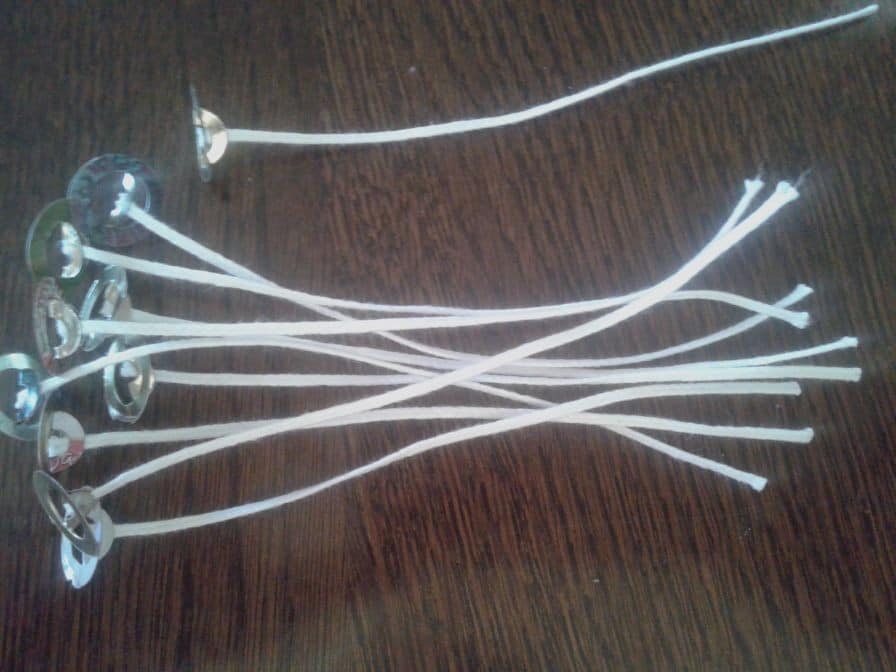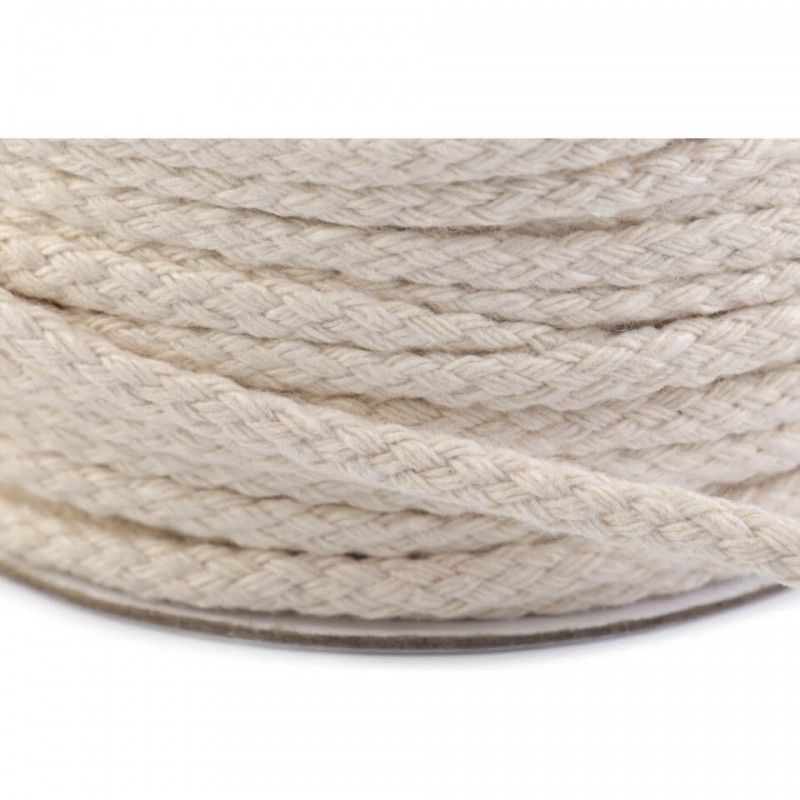
A wick is a piece of cord or thread that is used in the production of candles. The wick is typically made of cotton or other natural fibers that are tightly braided or twisted together.
When a candle is lit, the heat of the flame melts the wax, which is drawn up the wick by capillary action. The heat of the flame then vaporizes the liquid wax, which combines with oxygen in the air to create the candle’s flame.
The size and shape of the wick can affect the way a candle burns, including its brightness, burn time, and the amount of smoke and soot it produces. The thickness of the wick, the type of material it is made of, and the way it is braided or twisted can all impact the candle’s performance.
In addition to its functional purpose, the wick can also be a decorative element in candles, especially in candles that are designed for religious or ceremonial use. Some wicks are coated with wax or other materials to create a variety of colors or patterns, and some are even shaped into intricate designs.