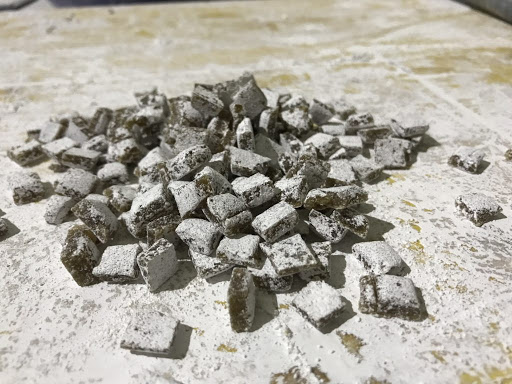
Charcoal or ashes made from coal may be used as a symbol of penance, purification, and humility, especially during the season of Lent.
The ashes used on Ash Wednesday, which marks the beginning of Lent, are typically made from burned palm branches from the previous year’s Palm Sunday celebrations. The ashes are then blessed by a priest or minister and used to make the sign of the cross on the forehead of the faithful as a sign of repentance and humility.
In some Christian traditions, charcoal or ashes may also be used as a symbol of mourning or penance during other times of the year, such as during funerals or times of national tragedy.
Overall, the use of coal or its byproducts in Christian religious practices is relatively limited, but the use of charcoal or ashes made from coal can serve as a powerful symbol of spiritual realities such as sin, forgiveness, and transformation.
Charcoal or ashes are used in Christian religion during the season of Lent, which is a period of 40 days of fasting, prayer, and penance in preparation for Easter. On Ash Wednesday, the first day of Lent, ashes are typically placed on the forehead of the faithful in the shape of a cross.
The ashes used for this purpose are typically made from the burned palm branches that were used in the previous year’s Palm Sunday celebrations. The ashes are then blessed by a priest or minister, and used as a symbol of penance and humility.
The use of ashes in Christian tradition dates back to the Old Testament, where it was a common practice for people to put on sackcloth and cover themselves with ashes as a sign of mourning or repentance. In the New Testament, Jesus himself speaks of repentance and mourning in terms of putting on sackcloth and ashes.
The use of ashes in the Christian tradition serves as a reminder of the mortality of human beings and the need for repentance and humility before God. It is a physical symbol of the spiritual reality of sin and the need for forgiveness and transformation.